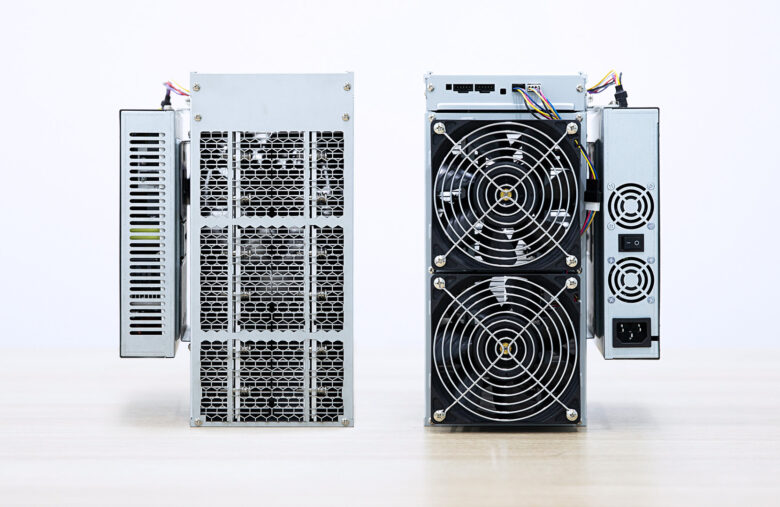
A fresh U.S. probe around Bitmain is turning mining hardware into a policy variable, and that matters for AI-linked crypto infrastructure planning.
Today’s AI x crypto development is less about token hype and more about hardware leverage. Reports from Cointelegraph and Crypto.news say U.S. Senator Elizabeth Warren is pressing the Commerce Department over security concerns tied to Bitmain operations.
Why this is bigger than one company
Bitmain sits at a critical junction: specialized crypto mining hardware, global chip supply chains, and infrastructure dependencies that increasingly overlap with broader AI compute politics. Once hardware security concerns move into formal policy channels, deployment risk changes for everyone using that stack.
What builders should track next
1) Supply-chain concentration risk
If scrutiny leads to procurement restrictions or compliance friction, operators may face higher lead times and higher replacement costs for mining fleets.
2) Cross-market compute competition
Crypto infrastructure and AI infrastructure both rely on advanced semiconductor ecosystems. Any policy shock in one lane can spill into pricing, availability, and planning assumptions in the other.
3) Institutional due-diligence standards
Institutional allocators are likely to ask harder questions on hardware provenance, operator exposure, and contingency planning before expanding infrastructure bets.
11 a.m. CT takeaway
This is the kind of story that looks political on the surface but lands operationally. In crypto-AI infrastructure, hardware risk is now governance risk, and governance risk quickly becomes valuation risk.
Sources: