BTC $67,822 ▼ 5.08% ETH $1,973 ▼ 6.02% SOL $84.76 ▼ 5.32% DOGE $0.09065 ▼ 4.24% XRP $0.62 ▼ 3.10% BNB $627.90 ▼ 3.66%
Bitcoin Ecosystem News - Page 11 of 18 - Welcome to Onchain Revolution
BTC $67,822 ▼ 5.08% ETH $1,973 ▼ 6.02% SOL $84.76 ▼ 5.32% DOGE $0.09065 ▼ 4.24% XRP $0.62 ▼ 3.10% BNB $627.90 ▼ 3.66%

Bybit Exploit: $1.4 Billion Ethereum Heist and Its Ripple Effects on Liquidations

The crypto world was shaken when news broke of a staggering $1.4 billion Ethereum exploit at Bybit. In this in-depth analysis, we explore how this massive security breach not only disrupted one of the leading crypto derivatives exchanges but also possibly triggered a cascade of liquidation events across the market.
Crypto Market Crash

 What Happened at Bybit?


The Exploit Unveiled

In a dramatic turn of events, Bybit, a popular platform known for its derivatives trading, became the target of a sophisticated cyberattack. Hackers exploited vulnerabilities in the system, siphoning off Ethereum tokens valued at $1.4 billion. While the specifics of the attack remain under investigation, early reports suggest that attackers may have leveraged a combination of smart contract vulnerabilities and margin position manipulations to achieve their goal.

Why Ethereum?

Ethereum’s smart contract functionality and widespread use in decentralized finance (DeFi) make it an attractive target for cybercriminals. With Bybit’s platform handling vast volumes of Ethereum-based trades, the exploit provided a ripe opportunity to siphon off significant funds in a short period.


Cascade of Liquidation Events


Understanding Liquidation in Crypto Trading

Liquidations occur when traders’ positions fall below maintenance margin levels, forcing platforms to close positions automatically. This is a standard risk management practice in volatile markets but can have dramatic effects when triggered en masse.

How the Exploit Triggered Liquidations

The sudden and massive outflow of Ethereum not only disrupted Bybit’s liquidity pools but also unsettled margin positions across the crypto market. As traders faced rapidly declining asset values, automated liquidation triggers activated, leading to a cascade effect:

  • Margin Calls Amplified: Rapid price drops forced traders to cover positions, causing further downward pressure on asset prices.
  • Market Volatility: The cascading liquidations introduced extreme volatility, compounding the financial stress on margin traders.
  • Interconnected Markets: Given the interconnected nature of crypto exchanges, the shockwave from Bybit’s breach quickly spread to other platforms, amplifying systemic risk.

Ripple Effects on the Crypto Ecosystem

The exploit’s fallout serves as a cautionary tale for both investors and platforms:

  • Investor Caution: Traders are urged to reconsider high-leverage positions and diversify risk to mitigate potential losses.
  • Platform Security: Exchanges must prioritize robust security measures, including regular audits and enhanced monitoring of smart contract integrations.
  • Regulatory Oversight: The incident has reignited calls for stricter regulatory oversight in the crypto space to safeguard investor interests and maintain market stability.


The Broader Impact on the Crypto Industry


Enhanced Security Protocols

Following the incident, Bybit and other exchanges are expected to implement more stringent security protocols. This includes:

  • Upgrading smart contract security frameworks.
  • Conducting periodic security audits by third-party experts.
  • Increasing transparency around risk management practices.

Investor Reactions and Market Sentiment

The exploit has also led to a temporary dip in market confidence:

  • Short-Term Volatility: In the immediate aftermath, prices for Ethereum and other major cryptocurrencies experienced sharp fluctuations.
  • Long-Term Reforms: Many experts believe that such incidents, while disruptive, pave the way for long-term reforms in exchange security and market practices.

Future Implications

This high-profile breach underscores the importance of cybersecurity in the evolving digital asset landscape. As the industry matures, both traders and platforms will need to adapt to an environment where robust security measures are non-negotiable.

Conclusion

The $1.4 billion Ethereum exploit at Bybit is a stark reminder of the vulnerabilities inherent in today’s rapidly evolving crypto ecosystem. Beyond the immediate financial loss, the incident may have triggered a cascade of liquidation events that reverberated across markets, amplifying volatility and highlighting the need for improved security practices. As the crypto industry continues to innovate, safeguarding digital assets remains a paramount concern for all stakeholders.

Disclaimer: The above article is for informational purposes only and does not constitute financial advice. The cryptocurrency market is volatile and unpredictable; always conduct your research before investing.

Solana Ruins Meme Coin Culture? Allegations of Insider Trading Tactics Shake the Ecosystem

In the ever-evolving world of cryptocurrency, meme coins have emerged as a cultural phenomenon—representing both the playful spirit and the speculative craze that crypto communities thrive on. However, recent events surrounding Solana’s ecosystem, particularly involving the Libra Meme Coin, have raised serious questions about insider trading and the integrity of meme coin culture. Here’s a deep dive into the ongoing controversy and how it’s impacting Solana’s reputation, price, and the broader meme coin community.

$Libra Token Misstep

Understanding the Libra Meme Coin Crash


The Rapid Rise and Fall of Libra

Meme coins often gain popularity quickly due to viral marketing, social media hype, and community-driven momentum. Libra Meme Coin was no different; it initially attracted traders hoping to ride the next wave of overnight riches. However, as covered by Decrypt and BitPinas, the coin’s rapid collapse sent shockwaves through the Solana ecosystem.

Price Plunge for SOL

In conjunction with the Libra Meme Coin crash, Solana (SOL) itself experienced a sharp drop of around 8.8%. This has stirred discussions about the platform’s vulnerability to meme coin volatility and raised eyebrows about potential insider trading tactics. According to Decrypt, many investors are concerned that the structural issues allowing dubious projects to thrive might stem from deeper problems within the Solana ecosystem.

Allegations of Insider Trading and Deployers’ Role

Rumors of Collaboration With Native Platforms

What’s fueling the uproar is the suspicion that certain deployers and Solana’s native platforms may have engaged in insider trading. Critics argue that some insiders knew of critical release times, token burns, or liquidity pool adjustments before the wider community, granting them an unfair advantage in buying or selling positions.

How Insider Knowledge Could Disrupt Meme Coins

In a market driven by volatility and speculation, even a small edge can lead to massive gains—or losses. Alleged insider collaboration can undermine the very foundation of meme coin culture, which relies heavily on community trust, transparency, and organic growth. When influential stakeholders appear to manipulate markets, it erodes confidence not just in Solana, but in the legitimacy of meme coins across the industry.

Ben Chow’s Resignation From Meteora


The Link Between Meteora and Libra

As reported by Crypto.News and BeInCrypto, Ben Chow, a notable figure associated with the Meteora project, resigned following the Libra Meme Coin crash. Meteora was closely tied to Libra’s infrastructure, raising questions about whether leadership behind these projects were complicit in—or at least aware of—questionable trading activities.

The Aftermath of Leadership Shake-Ups

The resignation sent another signal to investors that something might be amiss. While official statements maintain that Ben Chow’s departure was for personal or unrelated reasons, community members speculate that it’s tied to the broader scandal unraveling. This leadership upheaval only adds to the uncertainty surrounding Solana-native projects and their governance.

Impact on Solana’s Reputation and Price

Investor Sentiment Takes a Hit

Following the meme coin crash and rumors of insider trading, Solana has faced a noticeable dip in investor sentiment. While the crypto market is famously volatile, the notion that certain insiders could be manipulating markets behind the scenes is making both retail and institutional investors wary.

Potential Regulatory Backlash

If allegations of insider trading gain traction, regulatory bodies could intensify their scrutiny of the Solana network. For a platform that aspires to be a mainstream solution for decentralized applications, any sign of malfeasance could hamper adoption and discourage new projects from launching on Solana.

Broader Ripple Effect on Meme Coin Culture


Distrust in Decentralization

One of the biggest draws of meme coins is their community-centric, seemingly democratic nature—anyone can participate. But when allegations of secret deals and insider privileges surface, it calls into question the ethos of decentralized finance (DeFi). This distrust can extend far beyond Solana, affecting other blockchains that host meme coin projects.

Lessons for the Crypto Community

Despite the controversy, there’s a silver lining in the form of lessons learned. The importance of due diligence, transparent governance, and robust smart contract audits can’t be overstated. This scandal may prompt meme coin communities across various platforms to tighten their standards, seek more transparency, and demand greater accountability from project teams.

Conclusion: Where Does Solana Go From Here?

Solana’s recent turmoil, spurred by the Libra Meme Coin crash and heightened by allegations of insider trading, underscores the fragility of meme coin culture. Trust and transparency are paramount in a space that prides itself on decentralization. Whether Solana can restore its reputation—and the confidence of investors—remains to be seen.

For the broader crypto ecosystem, this scandal is a stark reminder that rapid growth and hype cycles often mask underlying risks. As more details come to light, it will be crucial for platforms like Solana to enforce stricter guidelines and for the community to remain vigilant, ensuring that meme coins can continue to thrive without succumbing to corrupt practices.

Sources & Credits


Disclaimer: The above article is for informational purposes only and does not constitute financial advice. The cryptocurrency market is volatile and unpredictable; always conduct your research before investing.

The Bitcoin Runes Revival: Restoring Crypto Conviction

The crypto community is in a crisis of confidence. The “Pump.Fun Era” ushered in millions of new tokens created with little more than a ticker symbol—no coding required. While this platform prevents malicious smart contracts, it also led to rampant token oversaturation, short-term pump-and-dump schemes, and plummeting investor trust.

Bitcoin Runes New Mission

Enter Bitcoin Runes, a fungible token standard on Bitcoin’s native layer. By inheriting Bitcoin’s robust security features, Runes offer a higher degree of trust than many alternative chains. Yet the true draw lies in their tight-knit communities, notably meme coins like $DOG, Billion Dollar Cat ($BDC), and $PUPS. These groups stand out for their organized marketing, regular Twitter Spaces, and real-world events that foster genuine community engagement.

This renewed sense of conviction could be the antidote to crypto’s current skepticism. $DOG, for example, has plans to expand beyond the Bitcoin Ecosystem, bringing its community-first approach to additional chains and onboarding platforms. If it succeeds, it may spark a broader shift toward more substantive projects.

Where to Trade Bitcoin Runes

Despite their potential, Bitcoin Runes need user-friendly environments and sufficient liquidity. Several platforms are stepping up:

  • Tap Protocol and Odin.FUN offer L1.5 TEE AMM solutions, letting traders swap tokens quickly.
  • Arch Network is on track to support fast-paced trading through Saturn, RunesDEX, and Bitflow Finance.
  • Mine Labs bridges Bitcoin to Solana (via Runemine.com) and leverages NEAR Protocol for an AMM environment.
  • MerlinSwap on Merlin Chain, Bitflow Finance on Stacks, and Jupiter Exchange on Solana already have active Runes liquidity pools.

Meanwhile, Cardano and more Bitcoin L2s are preparing support. Major players like HyperLiquid may also integrate Runes, adding centralized-exchange-style liquidity with decentralized security.

Conclusion

With oversaturation dampening trust in many digital assets, Bitcoin Runes present a compelling alternative. Their communities bring passion, real engagement, and a belief system rooted in Bitcoin’s security. As Runes expand to additional chains, watch for signs of a broader crypto revival—one driven by genuine community spirit rather than short-lived speculation.

Disclaimer: The above article is for informational purposes only and does not constitute financial advice. The cryptocurrency market is volatile and unpredictable; always conduct your research before investing.

The New Era of Bitcoin Chain Abstraction Apps

Introduction

Bitcoin, the world’s first and most prominent cryptocurrency, has long been recognized for its robust security and decentralized ledger. However, the rapid emergence of DeFi (Decentralized Finance), cross-chain protocols, and new concepts like account abstraction is fueling a wave of innovation that extends Bitcoin’s functionality beyond its original design. Enter Bitcoin Chain Abstraction—a movement geared toward enabling Bitcoin to interact seamlessly with other blockchains and decentralized applications (dApps).

By abstracting Bitcoin’s underlying technology, developers can tap into its immense liquidity while overcoming some of its inherent limitations (such as slower transaction speeds and limited scripting). This next phase of innovation is driven by a handful of blockchain platforms—Cardano, NEAR Protocol, Internet Computer (ICP), and Solana—each pioneering novel ways to weave Bitcoin into more sophisticated use cases.

Chain abstraction

What Is Bitcoin Chain Abstraction?

Bitcoin Chain Abstraction refers to the technical process of making Bitcoin’s core functionalities accessible in broader, often more flexible blockchain environments. This typically involves bridging solutions, smart contracts, and other forms of blockchain interoperability that allow Bitcoin to be used on networks with more advanced features—such as efficient decentralized exchanges (DEXs), lending platforms, and sophisticated dApps.

Some key benefits of Bitcoin Chain Abstraction include:

  • Enhanced Liquidity: Leveraging Bitcoin’s massive market liquidity in DeFi ecosystems.
  • New Use Cases: Tapping into decentralized apps that extend Bitcoin’s utility.
  • Faster Transactions: Benefiting from quicker block times on alternative chains.
  • Account Abstraction: Simplifying user interactions by encapsulating complex blockchain operations into intuitive user flows.

Cardano: “Bitcoinos” and the Bitcoin DeFi Layer

According to the Bitcoinos concept on Cardano, developers are exploring ways to position Cardano as a DeFi layer for Bitcoin. By creating a cross-chain environment, Cardano aims to attract Bitcoin holders to participate in decentralized finance without having to leave the security of Bitcoin’s network entirely.

  • DeFi Opportunities: Cardano’s layered architecture and proof-of-stake consensus may allow for faster and cheaper transactions, making it attractive for those who want to put their Bitcoin to work—such as in lending, staking, or yield farming.
  • Bitcoinos Vision: The “Bitcoinos” initiative envisions bridging Bitcoin’s liquidity to Cardano-based dApps. This could potentially lower entry barriers for users who prefer Bitcoin but also want exposure to Cardano’s DeFi ecosystem.
  • Interoperability Advantages: By using Cardano’s smart contract capabilities, Bitcoin can be abstracted into tokens or wrapped assets, opening up a host of new functionalities in a secure and regulated environment.

Suggested Image #1: A simple diagram showing Bitcoin “flowing” into Cardano’s DeFi layer via a bridge, highlighting tokenized BTC on Cardano.


NEAR Protocol: Building Bitcoin-Native dApps

NEAR’s Abstraction Stack stands out for its focus on creating Bitcoin-native dApps in a high-throughput environment. NEAR’s approach aims to simplify the developer experience, making it easier to build applications that tap into Bitcoin’s liquidity without complex bridging or cumbersome user flows.

  • Account Abstraction on NEAR: NEAR’s technology provides user-friendly account models and key management. This can remove some of the friction associated with handling Bitcoin addresses, making it more intuitive for end users.
  • Seamless Developer Tools: The Abstraction Stack includes frameworks and APIs designed to integrate Bitcoin functionalities into NEAR-based smart contracts. This way, developers can launch new dApps that directly interact with Bitcoin’s ledger for transactions, lending, or even NFT issuance.
  • Cross-Chain Liquidity: NEAR’s goal is to merge Bitcoin’s deep liquidity with NEAR’s cost-effective network. By abstracting Bitcoin’s protocol layer, developers can more easily deploy Bitcoin-centric applications on NEAR.

Suggested Image #2: A flowchart illustrating how a dApp on NEAR could interact directly with Bitcoin’s network through NEAR’s Abstraction Stack.


Internet Computer (ICP): A Launchpad for Bitcoin Meme Coins

As highlighted in a Decrypt article on Odin Fun Runes, the Internet Computer (ICP) facilitates a unique blend of high-speed transactions and web-based user experiences. This includes supporting the development of Bitcoin meme coins through its ecosystem, showcasing how flexible ICP can be when it comes to bridging Bitcoin.

  • Trustless Integration: One of ICP’s standout features is that it can potentially integrate directly with Bitcoin’s network by utilizing smart contracts that can sign Bitcoin transactions. This approach allows for a more seamless flow of BTC into ICP-based dApps.
  • Meme Coin Launchpads: The Odin Fun Runes project highlights ICP’s capacity to host platforms that launch tokens tied to the Bitcoin ecosystem. While meme coins can be high-risk, they also demonstrate the broader potential for mainstream user engagement.
  • Developer-Friendly Environment: By combining web-speed user experiences and on-chain governance, ICP offers a playground for creators looking to experiment with Bitcoin’s liquidity in novel, socially driven apps.

Solana: Expanding Bitcoin’s Reach Through the Runes Solana Bridge

The Runes Solana Bridge showcases how Solana—known for its high throughput and low fees—can serve as an accessible layer for Bitcoin holders looking to interact with more advanced DeFi protocols.

  • High-Throughput Ecosystem: Solana’s fast block times and capacity for a high number of transactions per second make it ideal for DeFi applications. Bringing Bitcoin over via bridging solutions can unlock immediate, cost-effective swaps, lending, and more.
  • Bridging Mechanics: The Runes Solana Bridge demonstrates how users might transfer or wrap Bitcoin into a compatible token on Solana, thereby granting access to Solana’s various dApps and marketplaces.
  • Cross-Chain Interoperability: Through bridging, assets can move seamlessly between Bitcoin and Solana, expanding potential use cases—from trading pairs to staking and beyond.

Challenges and Future Outlook

While each of these platforms—Cardano, NEAR, ICP, and Solana—offers distinct paths toward Bitcoin Chain Abstraction, developers and users still face hurdles such as:

  • Security Concerns: Cross-chain bridges must be highly secure to prevent exploits and hacks.
  • Regulatory Uncertainty: DeFi regulations vary by jurisdiction and can affect how projects operate.
  • User Education: Many Bitcoin holders remain skeptical about moving assets off the main Bitcoin chain. Clear explanations and user-friendly tools are essential.

Despite these obstacles, the trajectory is clear: As more platforms successfully abstract Bitcoin’s network and merge it with advanced blockchain functionalities, the Bitcoin ecosystem will expand far beyond its original, more limited scope.


Conclusion and Call to Action

The journey toward Bitcoin Chain Abstraction is well underway, led by innovative projects on Cardano, NEAR Protocol, ICP, and Solana. Each network is pushing the boundaries of what Bitcoin can achieve—be it through DeFi layers, meme coin launchpads, or user-friendly dApp development frameworks. Together, they represent a monumental shift in how we view and use Bitcoin: no longer just a store of value, but a fluid, adaptable asset in a multi-chain world.

As a crypto-savvy reader, your role is to stay informed and open-minded about these emerging possibilities. Explore, experiment, and engage with the ecosystems that resonate with you. By doing so, you’ll not only witness the ongoing evolution of Bitcoin but actively shape its future.

Disclaimer: The above article is for informational purposes only and does not constitute financial advice. The cryptocurrency market is volatile and unpredictable; always conduct your research before investing.
Building the Bitcoin Ecosystem: How 2024’s Downturn Set the Stage for a Thriving 2025

In the fast-paced world of cryptocurrency, cycles of boom and bust are inevitable—but each wave of innovation leaves the Bitcoin ecosystem stronger than before. The 2024 Bitcoin market downturn may have dampened prices and market sentiment, yet it set the perfect stage for a new generation of Bitcoin ecosystem builders to create powerful infrastructure and solutions on Bitcoin layer 1. Now, as we look toward the 2025 Bitcoin outlook, many anticipate that these behind-the-scenes efforts will usher in a transformative era for DeFi on Bitcoin.

Bitcoin Ecosystem

The 2024 Bitcoin Market Downturn

By most accounts, 2024 was marked by volatility and lower overall asset prices for Bitcoin. According to CoinDesk, market uncertainty and shifting macroeconomic factors contributed to the subdued environment. Traditional trading activity slowed, and hype surrounding short-term gains gave way to a more sustainable focus: building fundamental, user-centric solutions.

Paradoxically, this “down year” in terms of prices drove some of the most meaningful innovation we’ve seen since the early days of Bitcoin. The consolidation phase meant developers and project teams had fewer distractions and could devote themselves to enhancing the user experience and strengthening critical protocols on Bitcoin layer 1.

Why the Downturn Fueled Innovation

Historically, downturns in crypto markets often coincide with bursts of developer activity. In 2024, this pattern played out once again, as builders realized that mainnet adoption for new Bitcoin-based projects could address long-standing challenges in user experience, scalability, and security. While speculators exited the market, these innovators stayed behind, focusing on:

  • Infrastructure: New protocols and on-chain tools designed to improve transaction throughput, reduce fees, and streamline asset management.
  • Interoperability: Bridges and solutions enabling other chains to interact seamlessly with Bitcoin’s secure and time-tested network.
  • User Tools: Wallets, interfaces, and services designed to make DeFi on Bitcoin more intuitive for both savvy users and newcomers.
Bitcoin Tools

Spotlight on Key Bitcoin Ecosystem Builders

Several groundbreaking teams rose to prominence by leveraging the downturn to develop essential components of Bitcoin’s future. Below are some of the standout Bitcoin ecosystem builders set to power the network’s next wave of growth:

    1. Fluid Tokens

      • Website/Docs: Docs (DEX), Docs (Lending)
      • Focus: Retail Staking on Bitcoin’s Native Layer
      • Overview: Fluid Tokens enables retail staking directly on Bitcoin layer 1. By providing user-friendly staking protocols, they aim to democratize yield opportunities and bring more participants into the Bitcoin ecosystem—without requiring complicated, off-chain workarounds.
    2. BuildonBitcoin

      • Website: GoBoB.xyz
      • Focus: Community-Driven Resources & Collaboration
      • Overview: BuildonBitcoin (BoB) is a grassroots movement dedicated to fostering education and collaboration among developers and entrepreneurs working on Bitcoin. Through community-driven initiatives, tutorials, and active support, BoB helps accelerate innovation and highlights noteworthy projects building on Bitcoin.
    3. Arch Network

      • Website: Arch.Network
      • Focus: Tools for Bitcoin Ordinals & Web3 Integration
      • Overview: Arch Network bridges the gap between traditional Web3 applications and the Bitcoin blockchain. The platform provides tools to create, deploy, and scale Bitcoin Ordinals, empowering developers to build dApps and services atop Bitcoin’s robust and decentralized network.
    4. Nubit

      • Website: Nubit.org
      • Focus: Bitcoin-Native Stablecoins
      • Overview: Nubit is pioneering trust-minimized stablecoins minted on Bitcoin’s layer 1, aiming to provide a reliable medium of exchange without leaving the security of the Bitcoin blockchain. Their approach underscores transparency, decentralization, and minimal reliance on third parties.
    5. MerlinChain

      • Website/Docs: MerlinChain Docs
      • Focus: Multi-Chain Aggregation & Web3 Infrastructure
      • Overview: MerlinChain is an aggregator platform focused on unifying DeFi, NFTs, and metaverse solutions across multiple blockchains—including Bitcoin. By offering comprehensive tools and data analytics, MerlinChain bridges ecosystems to deliver a seamless cross-chain experience.
    6. Emblem Vault

      • Website: Emblem.Vision
      • Focus: Cross-Chain Asset Packaging & Interoperability
      • Overview: Emblem Vault provides a cross-chain solution that encapsulates various digital assets—like Bitcoin Ordinals—into a single NFT. This packaging allows for easier transfer and multi-chain functionality, enhancing interoperability between Bitcoin and other blockchain networks.
    7. Tap Protocol

      • Website: Tap-Protocol.com
      • Focus: Chain-Agnostic Naming & Identity Services
      • Overview: Tap Protocol offers a decentralized naming service that simplifies wallet addresses and enables cross-chain identity solutions. By integrating Bitcoin’s time-tested security with user-friendly naming, Tap Protocol hopes to make blockchain interactions more intuitive.
    8. BitcoinOS

      • Website: BitcoinOS.build
      • Focus: Layer for Unstoppable Apps & Smart Contracts
      • Overview: BitcoinOS is an open platform empowering developers to create decentralized applications on top of Bitcoin. By layering innovative smart contract functionality over Bitcoin’s secure base, BitcoinOS aims to unlock new use cases while preserving the network’s core principles.
    9. RuneMine

      • Website: RuneMine.com
      • Focus: Platform for Bitcoin-Based Runes
      • Overview: RuneMine facilitates the minting, management, and trading of Bitcoin-native Runes—a next-generation token standard designed for Bitcoin layer 1. By providing straightforward tools and a user-friendly interface, RuneMine looks to expand Bitcoin’s capabilities for tokenized assets.
    10. Liquidium

      • Docs: Liquidium Overview
      • Focus: DeFi Liquidity Solutions on Bitcoin
      • Overview: Liquidium delivers specialized liquidity and staking solutions tailored for Bitcoin-based assets. Their suite of products includes strategies for yield generation and capital efficiency, bridging the gap between DeFi functionality and Bitcoin’s unmatched security.
    11. Magic Eden

      • Website: MagicEden.us
      • Focus: Multi-Chain NFT Marketplace Expanding to Bitcoin
      • Overview: Magic Eden is a leading cross-chain NFT marketplace that has expanded to support Bitcoin Ordinals. By offering a user-friendly interface and diverse NFT collections, Magic Eden aims to bring mainstream NFT and digital collectible adoption to the Bitcoin network.
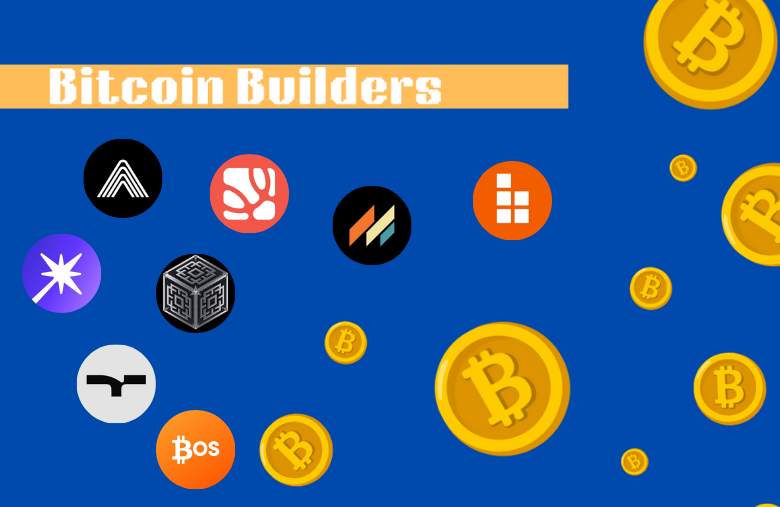
Bitcoin Builders

The 2025 Bitcoin Outlook: A True DeFi Era

With these projects preparing or already launching on mainnet, the stage is set for a potentially transformative 2025. Here’s why many are bullish about the coming year:

  • DeFi on Bitcoin Grows:
    Protocols like Tap Protocol and Liquidium promise advanced financial instruments (lending, borrowing, yield farming) built on Bitcoin’s secure architecture.
  • User Adoption Surges:
    According to Glassnode, the number of Bitcoin addresses in use continues to climb steadily. As simpler interfaces and stablecoins become more prevalent, more users—from individuals to enterprises—could be drawn to Bitcoin layer 1.
  • Stronger Infrastructure:
    Tools developed by MerlinChain, BuildonBitcoin, and BitcoinOS will make deploying dApps and smart contracts more efficient, attracting a wave of developers and new use cases.
  • Enhanced Security and Reliability:
    Bitcoin’s long-standing proof-of-work model remains one of the most proven mechanisms in crypto, offering robust protection for newly introduced DeFi functionalities.

Real-World Impact & Adoption

For users and developers alike, these advancements will translate into tangible benefits:

  1. Easier On-Ramps:
    Stablecoin initiatives and cross-chain solutions lower the barrier to entry, allowing newcomers to access the Bitcoin ecosystem without complex multi-step processes.

  2. Improved Security:
    Building on Bitcoin layer 1 means leveraging the network’s battle-tested decentralization, making it inherently more secure than many alternatives.

  3. Broader DeFi Functionality:
    Services like Fluid Tokens and Emblem Vault highlight the potential of tokenized assets and NFTs directly on Bitcoin, pushing the network beyond simple value transfer into robust financial tooling.

  4. Scalable Solutions:
    Projects like Arch Network and RunesMine are addressing some of Bitcoin’s scaling pain points, ensuring that as adoption surges, the network remains efficient.

By weaving together these various threads—enhanced infrastructure, DeFi applications, developer-friendly tools—Bitcoin in 2025 may look dramatically different from its 2024 counterpart.

Conclusion: From Downturn to Boom

The 2024 Bitcoin market downturn proved that true innovation doesn’t stall when prices drop. Instead, a dedicated cohort of Bitcoin ecosystem builders took the opportunity to refine protocols, design user-centric platforms, and prepare for mainnet adoption. Now, with 2025 on the horizon, the stage is set for a flourishing era of DeFi on Bitcoin—one that marries the blockchain’s hallmark security and decentralization with modern financial functionality.

If current trends hold, the next twelve months could see an unprecedented surge in user adoption and capital flow, fueled by projects that have quietly been laying the groundwork. Whether it’s bridging solutions by Arch Network, stablecoin advancements from Nubit, or next-level NFT marketplaces like Magic Eden, these pioneers have collectively positioned the Bitcoin ecosystem for the robust growth many anticipate in 2025. By building through the downturn, they’ve given the world’s oldest cryptocurrency network a bold new trajectory—one that promises to redefine what’s possible on Bitcoin layer 1.

Disclaimer: The above article is for informational purposes only and does not constitute financial advice. The cryptocurrency market is volatile and unpredictable; always conduct your research before investing.
AI Agents Enter the Bitcoin Ecosystem: How Emblem Vault and Cypher Genesis Are Pioneering Innovation

The Rise of AI in the Bitcoin Ecosystem

For years, Bitcoin has been celebrated as the most secure and decentralized blockchain network. However, its focus on simplicity and robustness has often limited experimentation compared to platforms like Ethereum or Solana. That’s changing. As the Bitcoin ecosystem evolves with meta-protocols such as Ordinals and Runes, new opportunities are emerging for integrating AI agents.

AI agents are intelligent systems capable of automating tasks, analyzing data, and coordinating complex operations. When combined with Bitcoin, they can streamline everything from asset transfers to liquidity management across sidechains and Layer-2 solutions.

AI EMBLEM VAULT

Emblem Vault: Leading the Charge in Bitcoin AI Integration

One of the most ambitious projects in this space is Emblem Vault. Known for their innovative multichain solutions, the Emblem team is now setting their sights on bringing AI capabilities to the Bitcoin ecosystem.

Key Innovations by Emblem Vault AI Team:

  • Human Creator Royalties: Ensuring creators are fairly compensated through AI-automated royalty systems.

  • Multichain AI Wallet Banks: AI-driven wallets capable of managing assets across multiple blockchains.

  • AI Agent-Agent Coordination: Enabling AI agents to interact with one another for advanced automated processes.

The Emblem team began their AI journey on the Solana ecosystem with their project Hustle by @TensoriumAI, which showcased the potential of multichain AI wallets. Their next milestone is set for Q1 2025, where they plan to roll out AI tools tailored for Bitcoin. The team also participated in the Solana AI Hackathon, and the results are expected to be announced by the end of December 2024.

One exciting potential use case is creating AI Wallet Agents capable of executing tasks like prompting an AI to “jump” a Bitcoin Ordinal from Bitcoin Layer 1 to Abstract or Merlin Chain seamlessly. This represents a huge leap in automation and user efficiency.

CYPHER GENESIS AI

Spotlight on Cypher Genesis: A Rising Star in Bitcoin AI

Another prominent player in this narrative is Cypher Genesis, a project founded by @KingBootoshi. Known for its focus on AI-integrated Bitcoin tools, Cypher Genesis explores the synergy between intelligent agents and decentralized financial systems.

While Emblem Vault emphasizes AI wallet agents, Cypher Genesis dives into broader AI use cases within the Bitcoin ecosystem, such as improving smart contract logic and facilitating AI-driven asset routing.

The Vision for AI Wallet Agents in Bitcoin

Imagine a future where you could instruct an AI wallet agent to optimize your Bitcoin holdings, transfer assets across layers, or even manage liquidity pools without requiring manual intervention. That’s the vision driving projects like Emblem Vault and Cypher Genesis.

Potential Use Cases Include:

  • Automated Bitcoin Ordinal transfers between mainnet and sidechains.

  • AI-powered liquidity routing to ensure optimal asset placement.

  • Smart contract management through AI algorithms.

These innovations could bridge gaps in the Bitcoin ecosystem, making it more accessible to everyday users and developers.

The Road Ahead: Opportunities and Challenges

Opportunities:

  • Enhanced efficiency in Bitcoin-based financial operations.

  • Greater accessibility for non-technical users through AI automation.

  • Increased interoperability between Bitcoin and other blockchain layers.

Challenges:

  • Technical scalability on Bitcoin’s base layer.

  • Security risks associated with AI automation.

  • Adoption hurdles within the traditional Bitcoin community.

However, with projects like Emblem Vault and Cypher Genesis leading the way, these challenges are increasingly being addressed.

Conclusion: The Bright Future of AI in Bitcoin

The integration of AI into the Bitcoin ecosystem isn’t just a passing trend—it’s a significant step toward enhancing automation, scalability, and user experience. Projects like Emblem Vault and Cypher Genesis are proof that Bitcoin’s potential goes far beyond being a store of value.

As we look to the future, the collaboration between AI agents and Bitcoin protocols will likely become a cornerstone of decentralized finance and digital asset management.

Stay Updated:

The AI revolution is here, and Bitcoin is ready to embrace it.

Disclaimer: The above article is for informational purposes only and does not constitute financial advice. The cryptocurrency market is volatile and unpredictable; always conduct your research before investing.

BTC.FUN Launches Fair Mint Platform: Pump Fun Style on Merlin Chain

The Bitcoin ecosystem is buzzing with excitement as BTC.FUN announces the launch of its fair mint platform, Pump Fun Style, powered by the cutting-edge capabilities of the Merlin Chain. Designed to empower users to launch and trade Runes/BRC20 tokens with ease, this innovative platform represents a significant leap forward for token minting, trading, and community engagement.

BTC FUN Second Image

Why BTC.FUN?

BTC.FUN offers a cost-effective, transparent, and user-friendly solution for launching and trading tokens. Let’s explore its key features:

1. Cost-Effective Token Launches

Traditional token launches on Bitcoin’s Layer 1 (L1) can be prohibitively expensive due to high gas fees. BTC.FUN addresses this by operating across multiple chains, reducing costs and directing minting fees toward liquidity pools instead of miners.

2. Refund Guarantee

Participants enjoy peace of mind knowing that if the launch goal isn’t met, their mint fees are refunded within minutes, eliminating pre-market uncertainties.

3. Fair Launch Mechanics

All assets are fully circulating, with no pre-allocations, ensuring a level playing field. A single click is all it takes to launch your own token, making the process accessible to everyone.

How BTC.FUN Works

BTC.FUN simplifies the token minting and trading process into a few straightforward steps:

  1. Prepare Your Wallets

    • BTC Wallets: Unisat, OKX, Xverse, or Bitget.
    • EVM Wallets: MetaMask, TokenPocket, or OKX.
    • AA Wallets: Seamlessly generate an L2 wallet from your BTC wallet for smooth interactions on the Merlin Chain.
  2. Obtain $MERL

    • $MERL is essential for minting and trading. Learn more about obtaining $MERL here.
  3. Select and Mint Tokens

    • Choose your desired token, review details, and confirm the minting transaction.
    • Successful mints see tokens airdropped within minutes and liquidity added to the pool.
  4. Trade on Merlinswap

    • Tokens and fees fuel pre-funded liquidity pools for seamless trading on the DEX.
  5. Launch Your Own Token

    • Deploy directly on Layer 1 or Layer 2 with BTC.FUN’s user-friendly interface. All tokens are inscribed on L1 and bridged to L2, ensuring legitimacy.

Introducing $PARTY: A BTC Meme Carnival

The first test token on BTC.FUN is $PARTY, a 5-byte BRC-20 ticker ranked #3 in popularity. True to the spirit of memes, $PARTY embodies community, unity, and fun. Here’s what makes it special:

  • Airdrop: $PARTY will be distributed to L1/L2 holders of selected assets, including Nodemonke, ORDI, SATS, DOG, and BRC420.
  • Fair Launch: $PARTY will be available across L1 and L2, fostering inclusivity.
  • AI Agent: Engage with BTC.FUN’s AI agent to unlock additional airdrop opportunities.
  • Mini App: Earn $PARTY by playing on BTC.FUN’s Telegram mini-app.
BTC FUN third image

Partnerships Driving BTC.FUN

BTC.FUN’s seamless functionality is powered by strategic partnerships:

  1. UniCross Global

    • Enables seamless bridging of L1 tokens to the Merlin Chain.
  2. MerlinSwap

    • Acts as the decentralized exchange for trading L2 tokens on BTC.FUN.

These partnerships ensure robust interoperability and a smooth trading experience, solidifying BTC.FUN as a premier platform for token enthusiasts.

Join the BTC.FUN Revolution

BTC.FUN is more than just a platform—it’s a gateway to decentralized innovation. Whether you’re looking to launch a token, trade on a DEX, or join the $PARTY movement, BTC.FUN on Merlin Chain provides the tools and community to make it happen.

Website & Mini App Coming Soon: Stay tuned for the launch of BTC.FUN and the Telegram mini-app at @btcdotfun.

Be part of the future. Be part of BTC.FUN. Let the $PARTY begin! 🎉

Disclaimer: The above article is for informational purposes only and does not constitute financial advice. The cryptocurrency market is volatile and unpredictable; always conduct your research before investing.
Emblem Vault: Bridging the Gap Between Blockchain Ecosystems

In the ever-evolving world of blockchain technology, interoperability has emerged as a crucial challenge. Emblem Vault is at the forefront of addressing this issue, offering groundbreaking solutions that simplify the movement of digital assets across blockchain ecosystems. Here, we’ll explore the basics of Emblem Vault, what it does, and how its innovations, such as the LIT protocol, solve key pain points in the crypto space.

Emblem Vault Interoperability

What Is Emblem Vault?

Emblem Vault is a multi-chain solution that enables users to package and transfer digital assets seamlessly between different blockchains. At its core, it functions as a container system that allows users to store non-fungible tokens (NFTs), Ordinals, or other digital assets within a “vault,” which can then be transferred to another blockchain as a single token. This innovation simplifies asset management and reduces the complexity traditionally associated with blockchain interoperability.

The Pain Points Emblem Vault Solves

One of the most significant challenges in blockchain technology is the siloed nature of individual networks. Each blockchain operates independently, making it difficult for assets or data to move between them. This lack of interoperability creates several pain points:

  1. Fragmentation: Users often find themselves locked into a single blockchain ecosystem, limiting their ability to explore opportunities on other chains.

  2. Complexity: Transferring assets across blockchains typically requires extensive technical knowledge and multiple steps.

  3. High Costs: Cross-chain transfers can incur significant fees, both in time and monetary resources.

Emblem Vault eliminates these barriers by providing a simple, efficient, and cost-effective way to transfer assets between blockchains, empowering users with greater flexibility and control.

The LIT Protocol: A Game-Changer

Central to Emblem Vault’s innovation is the LIT protocol, a cutting-edge interoperability solution. LIT protocol enables users to “jump” assets from one blockchain to another effortlessly. Whether you’re moving an Ordinal from Bitcoin to Ethereum or transferring an NFT to a sidechain, the LIT protocol ensures a smooth, secure, and efficient transition.

How It Works

  1. Vault Creation: Users create a vault to house their digital assets. This vault acts as a secure container, encapsulating the asset for easy transfer.

  2. Chain Integration: Using the LIT protocol, the vault is linked to multiple blockchains, making it compatible across ecosystems.

  3. Seamless Transfers: The vault is then sent to the desired blockchain, where it’s unpacked to reveal the original asset.

Benefits of Emblem Vault

  • Cross-Chain Compatibility: Emblem Vault bridges the gap between siloed blockchain networks, making assets universally accessible.

  • Ease of Use: Its intuitive interface and streamlined processes make it accessible even to non-technical users.

  • Cost Efficiency: By packaging assets into a single token, users save on fees and reduce transaction times.

Empowering the Future of Digital Assets

As blockchain adoption grows, the need for seamless interoperability becomes increasingly critical. Emblem Vault’s innovative approach, anchored by the LIT protocol, positions it as a leader in the multi-chain ecosystem. By enabling users to “jump” their Ordinals, NFTs, and other assets between chains, Emblem Vault is not just solving today’s challenges—it’s building the foundation for a truly interconnected blockchain future.

Disclaimer: The above article is for informational purposes only and does not constitute financial advice. The cryptocurrency market is volatile and unpredictable; always conduct your research before investing.
Donald Trump’s 2024 Victory: A Potential Boon for Bitcoin and Crypto

As the dust settles on the 2024 U.S. Presidential election, many eyes in the financial world, especially those in the cryptocurrency sector, are keenly observing the implications of Donald Trump’s victory. While political inclinations vary, the crypto community has reasons to speculate on how this might influence Bitcoin and the broader digital currency landscape.

Trump’s Pro-Crypto Stance


During his campaign, Donald Trump positioned himself as a friend to the crypto industry. Here’s how this could manifest into positive developments:


  • Regulatory Favorability: Trump has promised to create a “strategic national bitcoin stockpile,” suggesting a level of recognition and acceptance of Bitcoin as an asset class. This could lead to more favorable regulatory environments, reducing the regulatory pressure that has been a concern under previous administrations.
  • SEC Chair Change: The indication that SEC Chair Gary Gensler could be replaced is significant. Gensler’s tenure has been marked by a cautious, sometimes restrictive approach towards cryptocurrencies, which has not always sat well with crypto enthusiasts. A change here might usher in an era of clearer, more crypto-friendly regulations.
  • Increased Legitimacy: Trump’s acknowledgment of cryptocurrencies could legitimize them further in the eyes of traditional investors. His previous ventures into NFTs and his vocal support for Bitcoin during the campaign have already signaled his interest in digital assets, which might encourage more institutional adoption.


Market Sentiment and Price Impact


  • Bullish Predictions: Financial analysts have speculated that Bitcoin could see significant price surges post-election under a Trump presidency. Predictions from firms like Bernstein suggest Bitcoin might reach or exceed its previous all-time highs, potentially hitting $80,000 to $90,000 if the market reacts positively to his policies.
  • Election Betting and Crypto: There has been a noted correlation between Trump’s election odds on platforms like Polymarket and Bitcoin’s price movements. This intertwining suggests that market sentiment might be heavily influenced by political outcomes, with Bitcoin acting as a ‘Trump trade’.


Crypto Industry’s Response


  • Industry Investments: The crypto industry has invested heavily in this election, with super PACs and direct donations aiming to sway policy in favor of digital currencies. Trump’s win could be seen as a validation of these efforts, potentially leading to more industry backing for political causes.
  • Innovation and Growth: With less regulatory overhang, innovation within the crypto space might flourish. Startups and established companies might feel more secure investing in and developing new blockchain technologies, knowing that the political climate could be more supportive.


Global Influence


  • U.S. as Crypto Capital: Trump’s vision to make the U.S. the “crypto capital of the planet” could influence global crypto policies. If the U.S. leads with a progressive stance, other nations might follow, fostering a more global acceptance of cryptocurrencies.
  • International Relations: Trump’s foreign policy could also impact how international markets view and interact with cryptocurrencies, potentially affecting global trade and investment flows related to crypto assets.


Conclusion


While the future remains uncertain and subject to numerous variables, Donald Trump’s win in the 2024 election presents several scenarios where Bitcoin and the broader crypto market could thrive. Lower regulatory barriers, a change in SEC leadership, and direct policy support could propel Bitcoin to new heights, encourage institutional investment, and enhance the overall legitimacy of cryptocurrencies.
 
Disclaimer: The above article is for informational purposes only and does not constitute financial advice. The cryptocurrency market is volatile and unpredictable; always conduct your research before investing.



Bitcoin News Update: Bitcoin Price Surge & Ecosystem Announcements

Bitcoin continues to dominate headlines as we approach the end of October 2024. Here’s a breakdown of the most significant news impacting the Bitcoin ecosystem:

Bitcoin Price Surge and Market Sentiment

Bitcoin has been on an upward trajectory, recently surpassing $66,000. Analysts believe that “Uptober” is in full swing, with Bitcoin showing strong bullish signals due to whale activity and positive sentiment from institutional investors. As global markets experience liquidity easing, particularly in China, analysts expect Bitcoin to continue gaining momentum, with potential for new all-time highs by year-end. The People’s Bank of China’s recent stimulus measures are seen as a key driver of this optimism.

Institutional Interest and ETF Momentum

Institutional investors are showing renewed interest in Bitcoin, as the approval of the first U.S. spot Bitcoin ETFs is anticipated by early 2024. With over $2.4 billion expected to flow into these ETFs, VanEck predicts that Bitcoin could see significant price gains in Q4. The upcoming Bitcoin halving, scheduled for April or May 2024, is also expected to have minimal disruption, with post-halving rallies likely to push Bitcoin to new highs.

Bitcoin Ecosystem Updates 10-24-2024

Bitcoin Ecosystem Developments

  • Harvard Alumni Invite Merlin Chain to Web3 Event: Merlin Chain, a Layer 2 scaling solution for Bitcoin, has been invited to speak at Harvard’s upcoming Web3 Advanced event. This prestigious invitation highlights the growing influence of Bitcoin Layer 2 solutions within the broader blockchain ecosystem. Merlin Chain is set to present its innovations and showcase how it enhances the Bitcoin network’s scalability.

  • Ordzaar Launches $ZAAR Runes Token: Ordzaar, a Bitcoin Ordinals launchpad, is introducing the $ZAAR token, specifically designed for Runes. Alongside the token launch, Ordzaar has unveiled the first-ever $ZAAR HODL Vault. This vault offers massive rewards for those who stake their tokens, with the added benefit of zero BTC fees, encouraging participants to save Bitcoin while remaining bullish on $ZAAR​.

Bitcoin Futures Market Sees Liquidation Surge

Bitcoin’s rapid rise to $64,000 earlier this month resulted in over $100 million worth of short positions being liquidated. This surge in price has reinvigorated market sentiment, pushing Bitcoin dominance above 58%, the highest level since April 2021. Analysts now predict that the next major resistance level at $70,000 could be within reach as market optimism continues to grow​.

As Bitcoin continues to gather strength in both price and institutional interest, the rest of Q4 2024 looks poised to deliver more exciting developments across the Bitcoin ecosystem. Stay tuned for more updates on this fast-evolving market!

Disclaimer: The above article is for informational purposes only and does not constitute financial advice. The cryptocurrency market is volatile and unpredictable; always conduct your research before investing.